Exploring the Vibrant Culture of Dyeing Pigments in the Hispanic Community during the World Cup
Category : | Sub Category : Posted on 2024-10-05 22:25:23
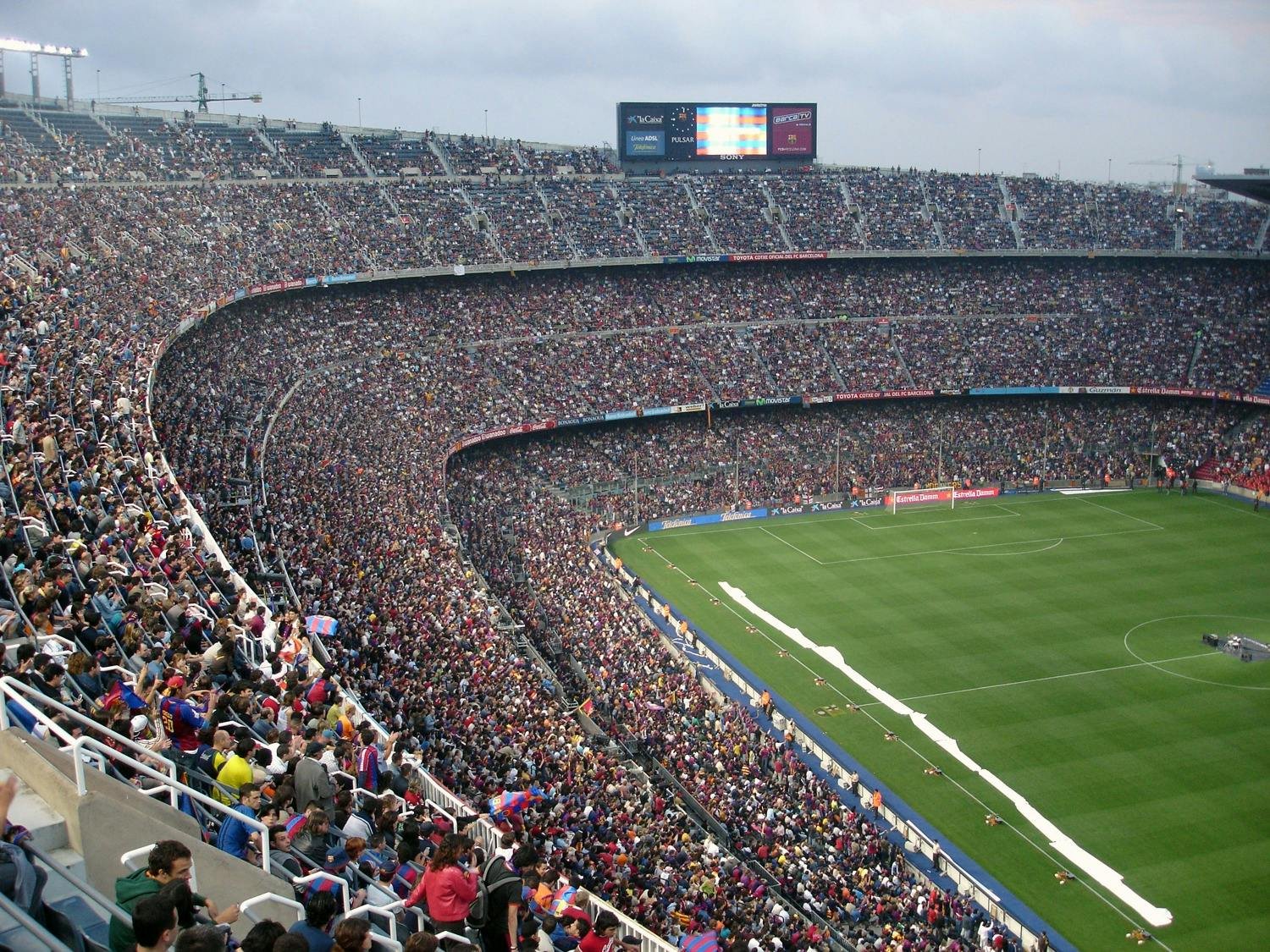
The Hispanic community's love for soccer is deeply ingrained in its culture, and this passion is especially evident during the World Cup. Beyond the exciting matches and fierce competition, another aspect that adds to the colorful spectacle of this global event is the tradition of dyeing pigments. This unique practice is a form of artistic expression through body painting and serves as a powerful way for fans to show their support for their favorite teams. Dyeing pigments, also known as "pintura de guerra" or war paint, is a long-standing tradition in many Hispanic cultures. It involves using vibrant colors to paint intricate designs on one's face, body, and even clothing to represent a sense of unity, pride, and belonging to a particular group or community. During the World Cup, this tradition takes on a whole new level as fans come together to support their national teams with fervor and enthusiasm. From the streets of Brazil to the stadiums of Russia, the Hispanic community showcases its creativity and team spirit through elaborate displays of dyeing pigments. Fans of countries like Argentina, Mexico, and Colombia can be seen sporting their national colors in bold patterns and designs, creating a visually stunning mosaic of support and solidarity. The atmosphere is electrifying as supporters cheer on their teams, united by a common love for the beautiful game. Beyond the visual spectacle, dyeing pigments also hold cultural significance for the Hispanic community. It is a way to connect with one's roots, honor traditions, and celebrate heritage in a modern context. Through this practice, fans pay homage to their ancestors, ancestors who passed down the love for soccer from generation to generation. This cultural exchange enriches the World Cup experience and creates a sense of belonging for all who participate. In conclusion, dyeing pigments in the Hispanic community during the World Cup is more than just a display of colors; it is a celebration of culture, tradition, and unity. As fans come together to support their teams with passion and creativity, they create a vibrant tapestry of diversity and pride that transcends borders and languages. So, the next time you watch a World Cup match, take a moment to appreciate the beauty of dyeing pigments and the rich cultural tapestry it represents.
https://weltmeisterschaften.org
Leave a Comment:
SEARCH
Recent News
- Zurich, Switzerland: The Ideal Destination for Sport Periodization
- Zurich, Switzerland: A Hub for Sports Championships
- Maximizing Your YouTube Content Creation Strategy through Sport Periodization
- ## Cracking the Code: YouTube Content Creation and Translation in Sports Championships
- The Importance of Periodization in Sports Training: A Guide for YouTube Channel Owners
- Celebrating Victories: YouTube Channels for Sports Championships
- The World Cup is one of the most anticipated sporting events in the world, captivating audiences across the globe with thrilling matches and unforgettable moments. As fans eagerly anticipate the next edition of the tournament, businesses in Vancouver are gearing up to capitalize on the excitement and enthusiasm that the World Cup brings.
- The FIFA World Cup is the most prestigious and anticipated soccer tournament in the world, capturing the hearts of millions of fans around the globe. While the action on the field is undeniably exciting, the World Cup also offers a unique opportunity for countries to come together and showcase their passion for the beautiful game.
READ MORE
11 months ago Category :

Zurich, Switzerland: The Ideal Destination for Sport Periodization
Read More →11 months ago Category :

Zurich, Switzerland: A Hub for Sports Championships
Read More →11 months ago Category :

Maximizing Your YouTube Content Creation Strategy through Sport Periodization
Read More →11 months ago Category :
