The Economic Welfare Theory and the World Cup in Dubai and Abu Dhabi
Category : | Sub Category : Posted on 2024-10-05 22:25:23
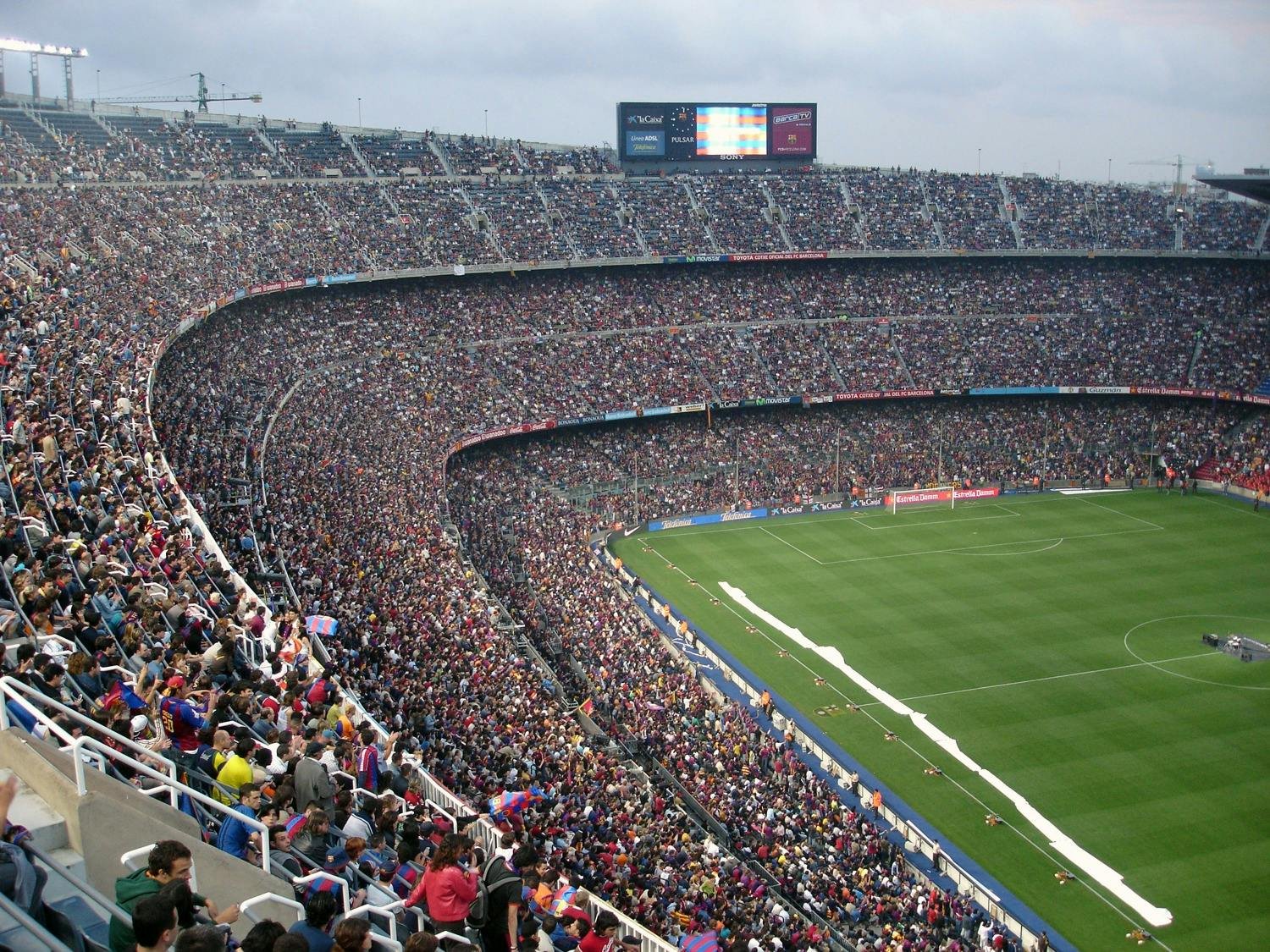
The Economic Welfare Theory is a concept that focuses on the well-being and prosperity of individuals within a society. It is concerned with maximizing the overall benefit to society through economic policies and initiatives. When applied to mega-events such as the World Cup, this theory plays a significant role in determining the economic impact and benefits that such events can bring to a region. In the case of hosting the World Cup in cities like Dubai and Abu Dhabi, there are various economic implications that need to be considered. Hosting a major sporting event like the World Cup can have both positive and negative economic effects on a host city. On one hand, it can stimulate economic growth through increased tourism, infrastructure development, and job creation. The influx of visitors during the tournament can boost the local economy, particularly in industries such as hospitality, transportation, and retail. Additionally, hosting the World Cup can enhance the global reputation of a city, attracting further investments and business opportunities in the long run. However, there are also potential drawbacks to hosting such events. The costs associated with hosting the World Cup, including building new stadiums, upgrading infrastructure, and providing security, can be substantial. If not managed effectively, these expenses can outweigh the economic benefits of hosting the event. Moreover, there is a risk of creating economic inequalities, as the benefits of hosting the World Cup may not be evenly distributed among the population. In the context of Dubai and Abu Dhabi, two cities known for their opulence and grandeur, hosting the World Cup could have a profound impact on their economies. These cities have already established themselves as global business hubs and tourist destinations, with world-class infrastructure and amenities. Hosting the World Cup could further enhance their international reputation and attract new visitors and investors. From an economic welfare perspective, it is essential for policymakers in Dubai and Abu Dhabi to carefully consider the costs and benefits of hosting the World Cup. They must ensure that the benefits of hosting the event outweigh the costs and that the economic impact is felt across all segments of the population. By implementing sound economic policies and strategies, these cities can maximize the positive economic effects of hosting the World Cup and promote the overall well-being of their residents. In conclusion, the Economic Welfare Theory provides a valuable framework for analyzing the potential economic impact of hosting the World Cup in cities like Dubai and Abu Dhabi. By taking into account the costs and benefits of hosting such an event, policymakers can make informed decisions that will enhance the economic welfare of their cities and create a lasting legacy for future generations.
https://weltmeisterschaften.org
Leave a Comment:
SEARCH
Recent News
- Zurich, Switzerland: The Ideal Destination for Sport Periodization
- Zurich, Switzerland: A Hub for Sports Championships
- Maximizing Your YouTube Content Creation Strategy through Sport Periodization
- ## Cracking the Code: YouTube Content Creation and Translation in Sports Championships
- The Importance of Periodization in Sports Training: A Guide for YouTube Channel Owners
- Celebrating Victories: YouTube Channels for Sports Championships
- The World Cup is one of the most anticipated sporting events in the world, captivating audiences across the globe with thrilling matches and unforgettable moments. As fans eagerly anticipate the next edition of the tournament, businesses in Vancouver are gearing up to capitalize on the excitement and enthusiasm that the World Cup brings.
- The FIFA World Cup is the most prestigious and anticipated soccer tournament in the world, capturing the hearts of millions of fans around the globe. While the action on the field is undeniably exciting, the World Cup also offers a unique opportunity for countries to come together and showcase their passion for the beautiful game.
READ MORE
11 months ago Category :

Zurich, Switzerland: The Ideal Destination for Sport Periodization
Read More →11 months ago Category :

Zurich, Switzerland: A Hub for Sports Championships
Read More →11 months ago Category :

Maximizing Your YouTube Content Creation Strategy through Sport Periodization
Read More →11 months ago Category :
