The Economics of Hosting the World Cup: Debts, Loans, and the Impact on Dubai and Abu Dhabi
Category : | Sub Category : Posted on 2024-10-05 22:25:23
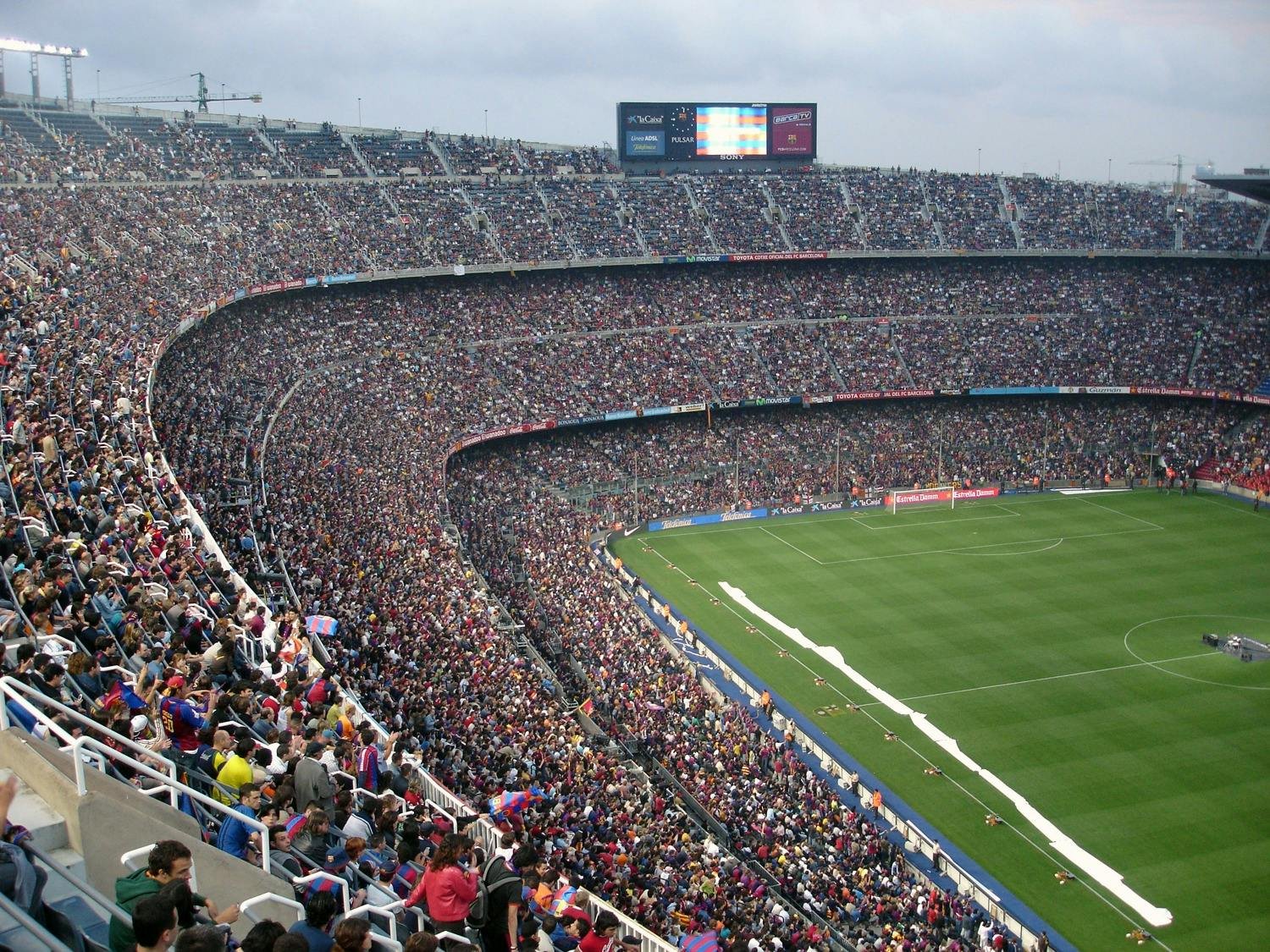
Hosting a major international sporting event like the FIFA World Cup can bring prestige, excitement, and economic opportunities to a country. However, the road to hosting such an event is often paved with financial challenges, debts, and loans that can impact the hosting cities. In the case of Dubai and Abu Dhabi, two major cities in the United Arab Emirates (UAE), the prospect of hosting the World Cup raises questions about the economic implications and the burden of debt. Dubai and Abu Dhabi are no strangers to hosting major events and attracting global attention. With their modern infrastructure, luxurious amenities, and strategic location, both cities have positioned themselves as major hubs for tourism, business, and leisure. The idea of hosting the World Cup could further enhance their reputation on the world stage and boost their economies. However, the costs associated with hosting such a massive event cannot be underestimated. One of the primary concerns when hosting the World Cup is the financial burden it places on the host cities. The construction of state-of-the-art stadiums, accommodation facilities, transportation networks, and security measures requires substantial investment. In many cases, host cities have to take on significant debts or secure loans to fund these projects. Dubai and Abu Dhabi, known for their sky-high skyscrapers and luxurious landmarks, may face even greater financial pressure due to the need for additional infrastructure to meet FIFA's requirements. While hosting the World Cup can bring short-term economic benefits, such as increased tourism, job creation, and media attention, the long-term financial implications must also be considered. The debt incurred to host the event could weigh on the economies of Dubai and Abu Dhabi for years to come, especially if the expected returns on investment do not materialize as projected. Additionally, the maintenance costs of the newly built infrastructure post-World Cup could further strain the cities' budgets. To mitigate the risks associated with hosting the World Cup, Dubai and Abu Dhabi must carefully plan and manage their finances. This includes transparent budgeting, effective risk management strategies, and seeking partnerships with private investors to share the financial burden. Moreover, they should leverage the World Cup as an opportunity to promote sustainable development, diversify their economies, and leave a lasting legacy that benefits their citizens beyond the tournament. In conclusion, while hosting the World Cup can bring immense opportunities and global recognition to cities like Dubai and Abu Dhabi, it also comes with financial challenges that must be addressed prudently. By balancing the economic benefits with the risks of debts and loans, Dubai and Abu Dhabi can emerge as successful hosts of the World Cup and showcase their resilience and economic prowess to the world.
https://weltmeisterschaften.org
Leave a Comment:
SEARCH
Recent News
- Zurich, Switzerland: The Ideal Destination for Sport Periodization
- Zurich, Switzerland: A Hub for Sports Championships
- Maximizing Your YouTube Content Creation Strategy through Sport Periodization
- ## Cracking the Code: YouTube Content Creation and Translation in Sports Championships
- The Importance of Periodization in Sports Training: A Guide for YouTube Channel Owners
- Celebrating Victories: YouTube Channels for Sports Championships
- The World Cup is one of the most anticipated sporting events in the world, captivating audiences across the globe with thrilling matches and unforgettable moments. As fans eagerly anticipate the next edition of the tournament, businesses in Vancouver are gearing up to capitalize on the excitement and enthusiasm that the World Cup brings.
- The FIFA World Cup is the most prestigious and anticipated soccer tournament in the world, capturing the hearts of millions of fans around the globe. While the action on the field is undeniably exciting, the World Cup also offers a unique opportunity for countries to come together and showcase their passion for the beautiful game.
READ MORE
11 months ago Category :

Zurich, Switzerland: The Ideal Destination for Sport Periodization
Read More →11 months ago Category :

Zurich, Switzerland: A Hub for Sports Championships
Read More →11 months ago Category :

Maximizing Your YouTube Content Creation Strategy through Sport Periodization
Read More →11 months ago Category :
