Integrating Vehicle-to-Grid Technology in Dubai and Abu Dhabi: A Sustainable Solution for the World Cup
Category : | Sub Category : Posted on 2024-10-05 22:25:23
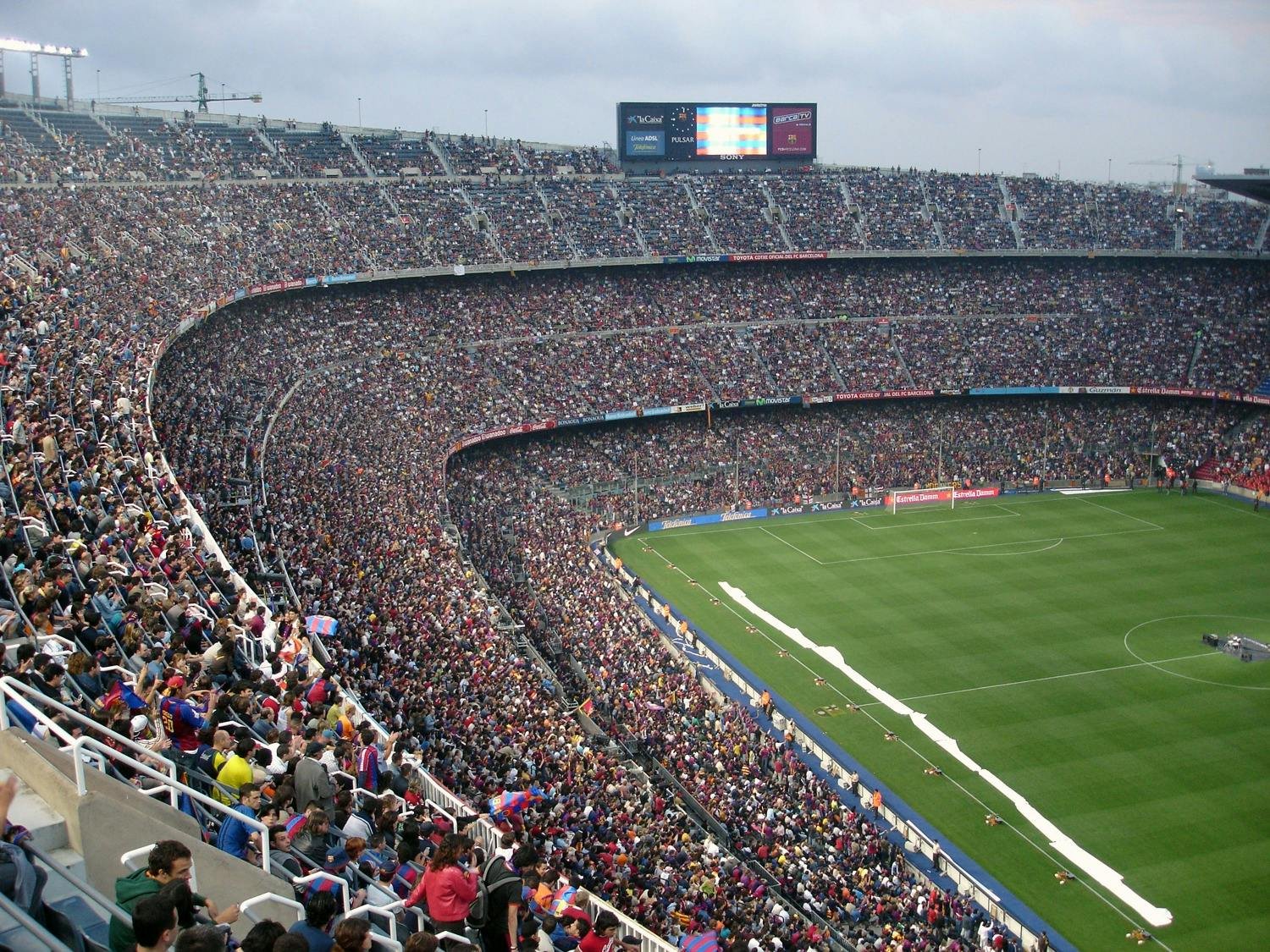
As the world eagerly awaits the upcoming World Cup, host cities like Dubai and Abu Dhabi are gearing up to showcase not only their sporting prowess but also their commitment to sustainability. One innovative technology that is gaining traction in these cities is Vehicle-to-grid (V2G) technology. This technology allows electric vehicles (EVs) to not only charge from the grid but also discharge electricity back to the grid when needed, creating a more dynamic and efficient energy ecosystem. In the context of the World Cup, where energy demand is expected to spike during the tournament, V2G technology could play a crucial role in ensuring a reliable and sustainable energy supply. By leveraging the growing fleet of EVs in Dubai and Abu Dhabi, authorities can tap into the potential of V2G to balance the grid, reduce peak demand, and integrate more renewable energy sources into the mix. One of the key advantages of V2G technology is its ability to support the grid during peak hours. As fans flock to stadiums, hotels, and entertainment venues during the World Cup, energy demand is expected to soar. By utilizing V2G technology, EVs can act as mobile energy storage units, providing an additional source of power during times of high demand. Moreover, V2G technology can also help in integrating more renewable energy sources into the grid. Both Dubai and Abu Dhabi have set ambitious targets for increasing their renewable energy capacity, with solar power playing a significant role. By coupling V2G technology with solar energy generation, excess solar power can be stored in EV batteries and discharged back to the grid when needed, enhancing grid stability and reducing reliance on fossil fuels. In addition to its grid-balancing capabilities, V2G technology can also offer financial benefits to EV owners. Through vehicle-to-grid services, EV owners can earn revenue by selling excess electricity stored in their vehicles back to the grid. This not only incentivizes EV adoption but also creates new income streams for consumers. As Dubai and Abu Dhabi prepare to host the world's most prestigious sporting event, the integration of V2G technology represents a forward-thinking approach to energy management and sustainability. By harnessing the power of EVs to support the grid, these cities can showcase their commitment to innovation and environmental stewardship on a global stage. In conclusion, the adoption of V2G technology in Dubai and Abu Dhabi presents a sustainable solution for managing energy demand during the World Cup and beyond. By leveraging the flexibility and scalability of V2G technology, these cities can transition towards a greener and more resilient energy system, setting a positive example for future host cities and inspiring a new era of sustainable sports events.
https://weltmeisterschaften.org
Leave a Comment:
SEARCH
Recent News
- Zurich, Switzerland: The Ideal Destination for Sport Periodization
- Zurich, Switzerland: A Hub for Sports Championships
- Maximizing Your YouTube Content Creation Strategy through Sport Periodization
- ## Cracking the Code: YouTube Content Creation and Translation in Sports Championships
- The Importance of Periodization in Sports Training: A Guide for YouTube Channel Owners
- Celebrating Victories: YouTube Channels for Sports Championships
- The World Cup is one of the most anticipated sporting events in the world, captivating audiences across the globe with thrilling matches and unforgettable moments. As fans eagerly anticipate the next edition of the tournament, businesses in Vancouver are gearing up to capitalize on the excitement and enthusiasm that the World Cup brings.
- The FIFA World Cup is the most prestigious and anticipated soccer tournament in the world, capturing the hearts of millions of fans around the globe. While the action on the field is undeniably exciting, the World Cup also offers a unique opportunity for countries to come together and showcase their passion for the beautiful game.
READ MORE
11 months ago Category :

Zurich, Switzerland: The Ideal Destination for Sport Periodization
Read More →11 months ago Category :

Zurich, Switzerland: A Hub for Sports Championships
Read More →11 months ago Category :

Maximizing Your YouTube Content Creation Strategy through Sport Periodization
Read More →11 months ago Category :
