Dubai and Abu Dhabi: Contradictions in Hosting the World Cup
Category : | Sub Category : Posted on 2024-10-05 22:25:23
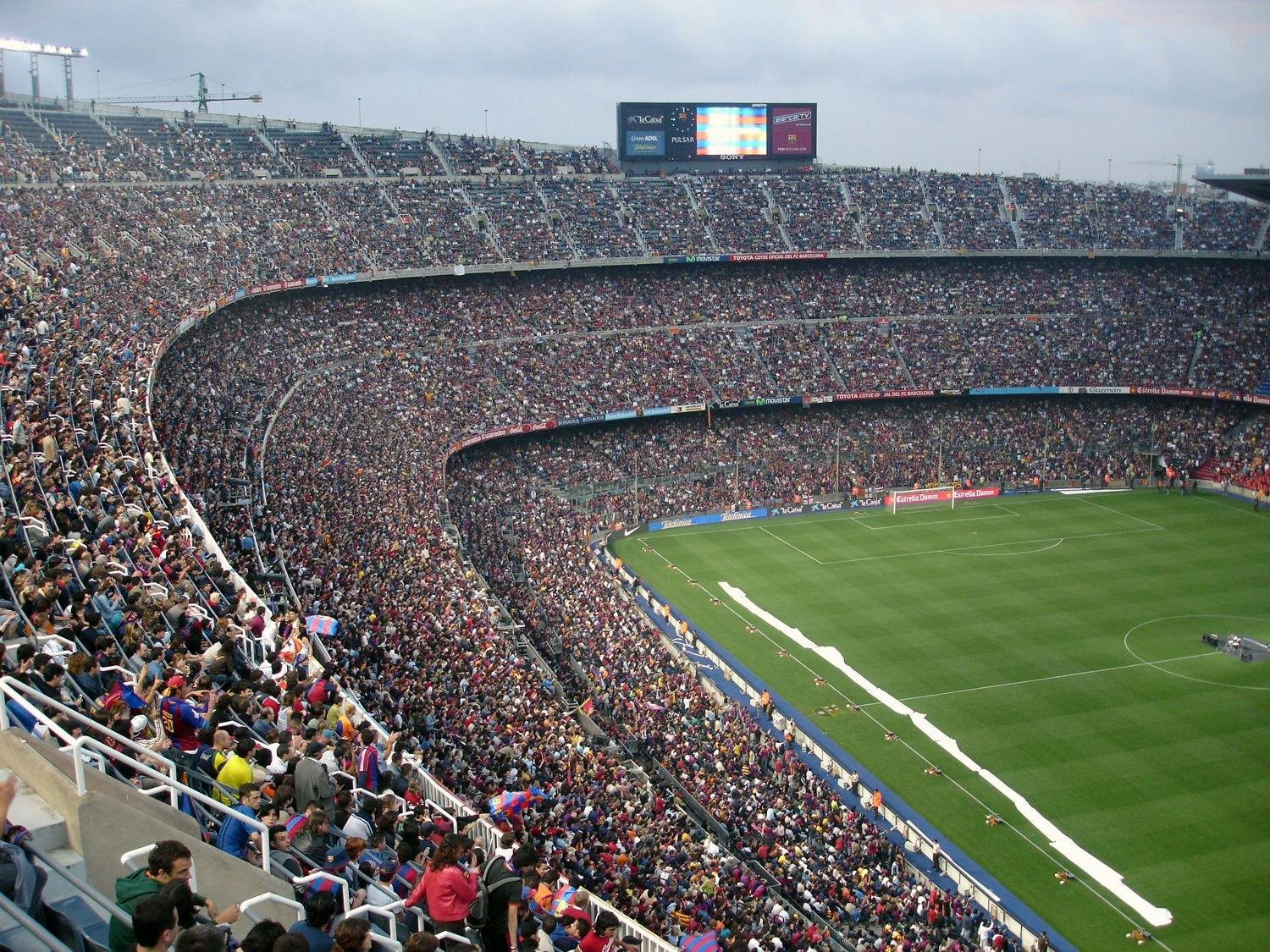
Dubai and Abu Dhabi, two of the United Arab Emirates' most prominent cities, are known for their modernity, luxury, and rapid development. These cities have become major global hubs for business, tourism, and innovation, attracting millions of visitors each year. However, as preparations for the upcoming FIFA World Cup in 2022 continue, the spotlight is on the contradictions that exist within these cities. On one hand, both Dubai and Abu Dhabi boast state-of-the-art infrastructure, world-class amenities, and exceptional hospitality that make them ideal hosts for an event as prestigious as the World Cup. The extravagant hotels, futuristic skyscrapers, and cutting-edge technology in these cities provide a glimpse into a luxurious and forward-thinking lifestyle that is unparalleled. Yet, beneath the surface of glitz and glamour lies a different reality. The wealth disparity between the wealthy elite and the migrant workers who form the backbone of these cities' construction and service industries is stark. Many of these workers face exploitation, poor working conditions, and limited rights, raising concerns about human rights violations and labor abuse in the lead-up to the World Cup. Moreover, the environmental impact of hosting a mega-event like the World Cup in a region known for its extreme heat and limited natural resources cannot be ignored. The tournament's carbon footprint, water consumption, and waste management pose significant challenges for sustainability efforts in Dubai and Abu Dhabi. As the world turns its attention to the UAE for the World Cup, it is crucial to recognize and address these contradictions. It is an opportunity for both Dubai and Abu Dhabi to showcase not only their opulence but also their commitment to promoting social justice, environmental responsibility, and inclusivity. In conclusion, the juxtaposition of luxury and poverty, progress and exploitation, in Dubai and Abu Dhabi underscores the complexities of hosting a global event like the World Cup. As these cities strive to shine on the world stage, they must also confront and resolve the contradictions that exist within their own borders to truly be considered as exemplary hosts for the world's most celebrated sporting event.
https://weltmeisterschaften.org
Leave a Comment:
SEARCH
Recent News
- Zurich, Switzerland: The Ideal Destination for Sport Periodization
- Zurich, Switzerland: A Hub for Sports Championships
- Maximizing Your YouTube Content Creation Strategy through Sport Periodization
- ## Cracking the Code: YouTube Content Creation and Translation in Sports Championships
- The Importance of Periodization in Sports Training: A Guide for YouTube Channel Owners
- Celebrating Victories: YouTube Channels for Sports Championships
- The World Cup is one of the most anticipated sporting events in the world, captivating audiences across the globe with thrilling matches and unforgettable moments. As fans eagerly anticipate the next edition of the tournament, businesses in Vancouver are gearing up to capitalize on the excitement and enthusiasm that the World Cup brings.
- The FIFA World Cup is the most prestigious and anticipated soccer tournament in the world, capturing the hearts of millions of fans around the globe. While the action on the field is undeniably exciting, the World Cup also offers a unique opportunity for countries to come together and showcase their passion for the beautiful game.
READ MORE
11 months ago Category :

Zurich, Switzerland: The Ideal Destination for Sport Periodization
Read More →11 months ago Category :

Zurich, Switzerland: A Hub for Sports Championships
Read More →11 months ago Category :

Maximizing Your YouTube Content Creation Strategy through Sport Periodization
Read More →11 months ago Category :
