The Rollercoaster of Emotions in the History of World Cup Conflicts
Category : | Sub Category : Posted on 2024-10-05 22:25:23
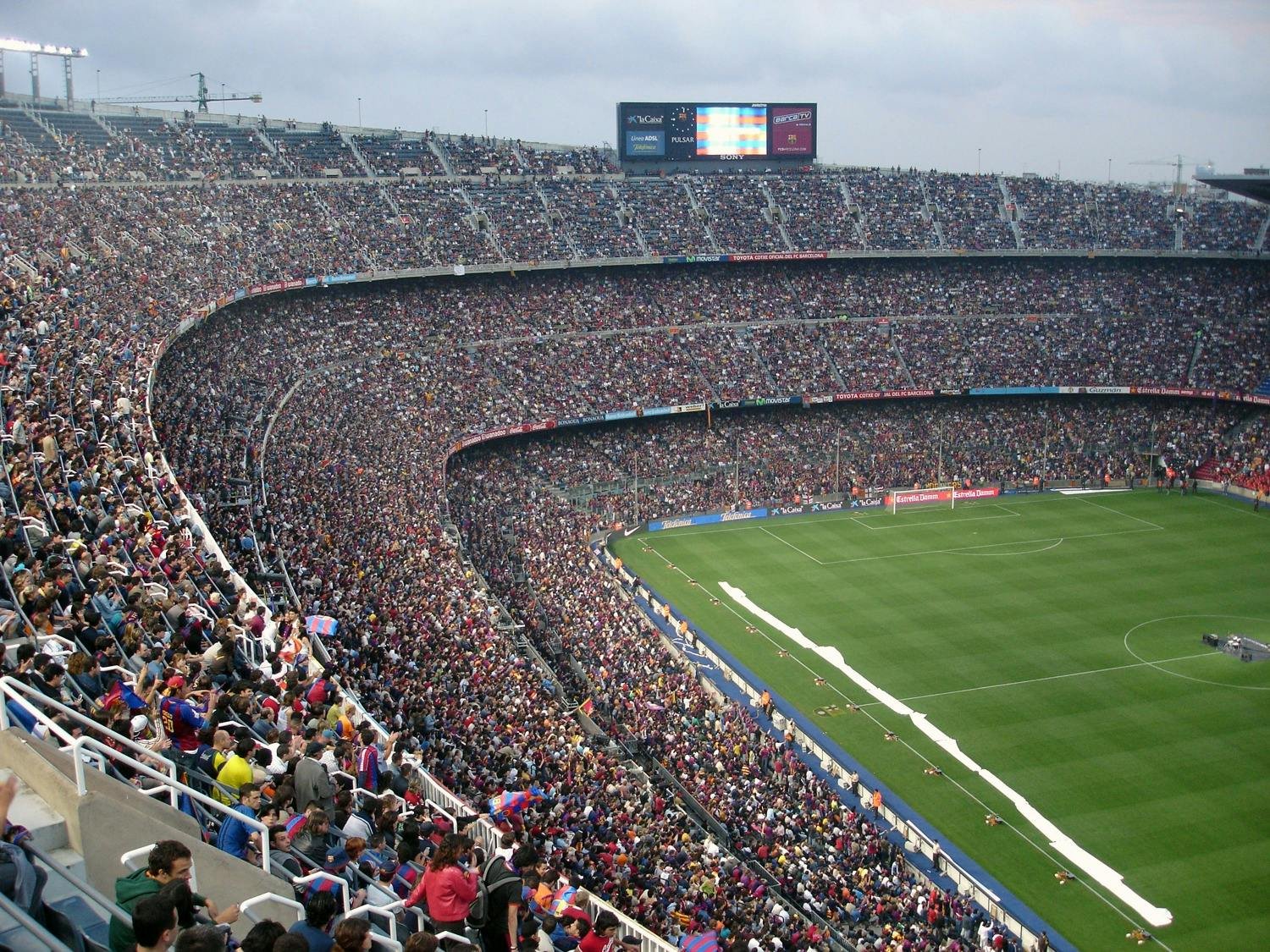
The FIFA World Cup is one of the most prestigious and highly anticipated sporting events in the world, bringing together nations from across the globe to showcase their talents on the football pitch. However, amidst the excitement and fervor of the World Cup, conflicts and controversies have often emerged, adding a layer of intensity to the tournament. Throughout history, these conflicts have evoked a wide range of emotions among players, fans, and the global audience. One of the most infamous conflicts in World Cup history took place during the 1962 tournament in Chile. In a highly contentious match between Chile and Italy, known as the "Battle of Santiago," the physicality and aggression on the pitch escalated to unprecedented levels. The game was marred by violent confrontations, fouls, and unsportsmanlike behavior, leaving both teams and spectators stunned. The emotions ran high as the world watched in disbelief at the chaos unfolding before their eyes. Another memorable conflict occurred during the 1986 World Cup quarter-final match between Argentina and England. The game was overshadowed by the infamous "Hand of God" goal scored by Argentine legend Diego Maradona, where he used his hand to punch the ball into the net. This contentious moment sparked intense emotions of outrage and disbelief among the English players and fans, while the Argentine supporters celebrated in jubilation. The clash of emotions between the two sides encapsulated the drama and tension of the World Cup. In recent years, conflicts in the World Cup have continued to generate mixed emotions among participants and observers. The introduction of VAR (Video Assistant Referee) technology has sparked debates and controversies regarding the decision-making process and the impact on the flow of the game. While some argue that VAR promotes fairness and accuracy, others criticize its implementation for disrupting the natural rhythm of play and creating confusion among players and fans. Despite the conflicts and controversies that have arisen throughout World Cup history, one cannot deny the emotional rollercoaster that the tournament offers. From the euphoria of victory to the despair of defeat, the World Cup has the power to evoke a wide spectrum of emotions among all those involved. Whether it be the thrill of a last-minute goal or the heartbreak of a controversial call, the emotions stirred by the conflicts in World Cup history have left an indelible mark on the collective memory of football enthusiasts worldwide. In conclusion, conflicts in the history of the World Cup have served as catalysts for intense emotions and unforgettable moments on the global stage. While the tournament continues to evolve and adapt to changing times, the emotional rollercoaster of triumphs and tribulations remains a central aspect of the World Cup experience. As fans eagerly anticipate the next edition of the tournament, one thing is certain – the conflicts and emotions that define the World Cup will continue to captivate and inspire football lovers for generations to come.
https://weltmeisterschaften.org
Leave a Comment:
SEARCH
Recent News
- Zurich, Switzerland: The Ideal Destination for Sport Periodization
- Zurich, Switzerland: A Hub for Sports Championships
- Maximizing Your YouTube Content Creation Strategy through Sport Periodization
- ## Cracking the Code: YouTube Content Creation and Translation in Sports Championships
- The Importance of Periodization in Sports Training: A Guide for YouTube Channel Owners
- Celebrating Victories: YouTube Channels for Sports Championships
- The World Cup is one of the most anticipated sporting events in the world, captivating audiences across the globe with thrilling matches and unforgettable moments. As fans eagerly anticipate the next edition of the tournament, businesses in Vancouver are gearing up to capitalize on the excitement and enthusiasm that the World Cup brings.
- The FIFA World Cup is the most prestigious and anticipated soccer tournament in the world, capturing the hearts of millions of fans around the globe. While the action on the field is undeniably exciting, the World Cup also offers a unique opportunity for countries to come together and showcase their passion for the beautiful game.
READ MORE
11 months ago Category :

Zurich, Switzerland: The Ideal Destination for Sport Periodization
Read More →11 months ago Category :

Zurich, Switzerland: A Hub for Sports Championships
Read More →11 months ago Category :

Maximizing Your YouTube Content Creation Strategy through Sport Periodization
Read More →11 months ago Category :
